A revelation: the secret identity of high-fiber heroes. Foods that do more than just help you poop.
Fiber has worn the “good food” badge of honor since, well, forever. Every day, we’re reminded — by ads, dietitians, and doctors — that fiber supports digestion, heart health, and longevity. The research is solid. The challenge? Actually getting enough of it.
And while we’re constantly told what not to eat, we’re surrounded by sneaky messages that make less-healthy options look tempting. Even the most disciplined eaters are still human, been there, friend.
So let’s shift gears. Instead of guilt, let’s talk about food that feeds your focus. Because while fiber keeps your bowels and heart happy, it also fuels your brain health and mental clarity.
The Real Magic of Fiber
Fiber is wonderful — but it’s not the magic. The true magic lies in the whole food itself.
When eaten in its natural form, fiber-rich food sets off a symphony of biochemical reactions that we’re only beginning to understand. Science is still catching up to what your grandmother probably knew instinctively: real food works wonders.
Here’s what these foods do above and beyond digestion:
- Stabilize blood sugar
- Promote gut health
- Strengthen the gut–brain connection
- Provide sustained energy
- Reduce inflammation
- Support vascular function and resilience
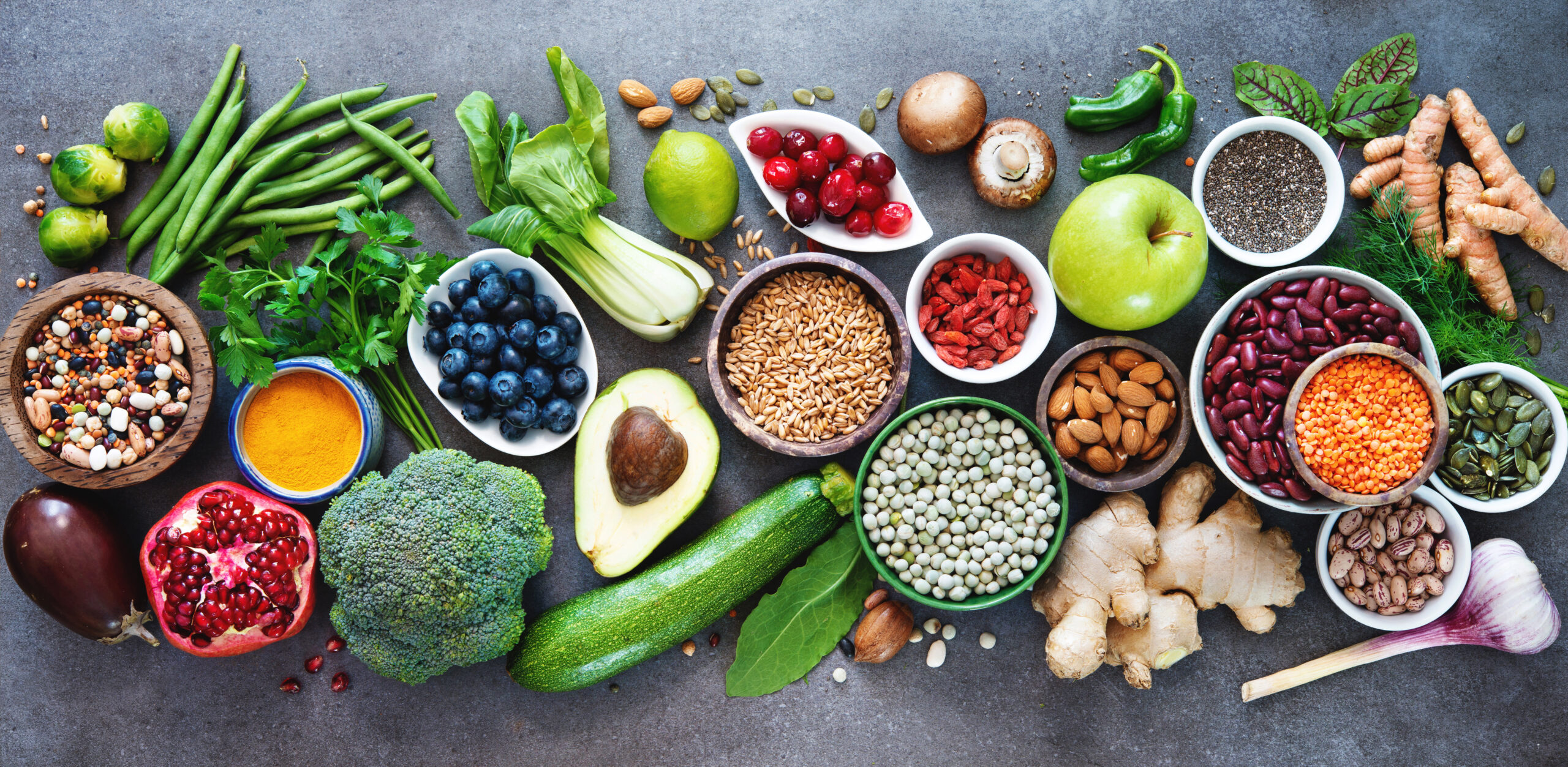
Need I say more? You get it, you’re smart. So let’s spotlight some fiber-packed heroes that feed your focus and mood.
Whole Grains (Slow-Release Energy)
- Oats contain beta-glucan, a type of fiber that maintains steady glucose levels for even energy.
- Quinoa is a double threat: high in fiber and protein for lasting focus.
- Barley, bulgur, and farro keep blood sugar stable, preventing the “brain fog” that comes from dips in glucose.
Vegetables (Fiber & Brain Nutrients)
- Broccoli is rich in fiber and vitamin K, which supports cognitive function.
- Spinach and kale are full of folate and antioxidants that protect brain cells.
- Carrots and beets offer fiber and natural nitrates to boost blood flow to the brain.
Fruits (Fiber & Antioxidants)
- Apples contain pectin fiber which helps regulate blood sugar and provides quercetin (say it with me: kwer-suh-tin), an antioxidant that supports brain health.
- Berries (blue, rasp, and black) are loaded with polyphenols that enhance memory and learning.
- Pears and oranges deliver fiber and vitamin C to protect against cognitive decline.
Nuts, Seeds & Legumes (Fiber, Healthy Fats & Minerals)
- Chia seeds – Cha-cha-cha chia! Ten grams of fiber per ounce, plus omega-3s for brain health.
- Flaxseeds contain lignans and omega-3s to support gut and brain health. Lignans. Weird word, wonderful food.
- Lentils and chickpeas offer fiber, slow-release carbs, and iron, alertness trifecta.
- Almonds and walnuts have fiber, vitamin E, and healthy fats that keep brain cells nourished.
Gut–Brain Connection Foods
Gut microbes produce neurotransmitters essential for mood and focus. Feed them prebiotic-rich foods to keep your mental edge sharp:
- Garlic
- Onions and leeks
- Aparagus
- Bananas
All of these contain prebiotic fibers that fuel healthy gut bacteria.
Better gut = better brain = better mood = you winning.
Tips for Success
- Increase fiber gradually. Give your microbiome time to adjust.
- Aim for 25–35 grams per day.
- Look for the 5:1 carbs-to-fiber ratio on labels.
- Pair high-fiber foods with protein and healthy fats. Think: oatmeal + walnuts + berries = perfection.
- Stay hydrated. Fiber works best with plenty of water.
A Gentle Warning
“With great power comes great responsibility.” — Uncle Ben (and your microbiome)
If you’re new to high-fiber foods, go low and slow. Start by increasing 5–10 grams per day and listen to your body.
- Mild bloating — normal!
- Flatulence — hang in there, it’ll pass.
- Cramping or minor discomfort — a real bummer, also normal.
- Constipation or diarrhea — too much too fast; hydrate!
Wit & Wellness Takeaway
Fiber is a powerhouse nutrient, but whole foods are the real superheroes. Eat them not only for your gut, but for focus, energy, and clarity. Small, consistent steps beat dramatic overhauls. Progress, not perfection.
And remember: when in doubt, choose the foods that love you back.
Evidence Notes
Fiber and metabolic health
- Reynolds A et al.
Carbohydrate Quality and Human Health: A Series of Systematic Reviews and Meta-analyses.
The Lancet, 2019. - Slavin JL.
Dietary Fiber and Body Weight.
Nutrition, 2005.
Gut–brain connection
- Cryan JF et al.
The Microbiota–Gut–Brain Axis.
Physiological Reviews, 2019. - Dinan TG, Cryan JF.
Gut Instincts: Microbiota as a Key Regulator of Brain Development, Ageing and Neurodegeneration.
Journal of Physiology, 2017.
Prebiotic fibers and neurotransmitters
- Koh A et al.
Role of Gut Microbiota in Energy Metabolism and Metabolic Disease.
Cell, 2016.
Whole grains and sustained energy
- McRae MP.
Health Benefits of Dietary Whole Grains: An Umbrella Review.
Journal of Chiropractic Medicine, 2017.
Polyphenols and cognition
- Joseph JA et al.
Beneficial Effects of Fruit Polyphenols on Brain Aging.
Journal of Neuroscience, 2009.
Omega-3s and brain health
- Gómez-Pinilla F.
Brain Foods: The Effects of Nutrients on Brain Function.
Nature Reviews Neuroscience, 2008.
Fiber intake recommendations
- Institute of Medicine. Dietary Reference Intakes for Energy, Carbohydrate, Fiber, Fat, Fatty Acids, Cholesterol, Protein, and Amino Acids (2005). National Academies Press. Fiber chapter.